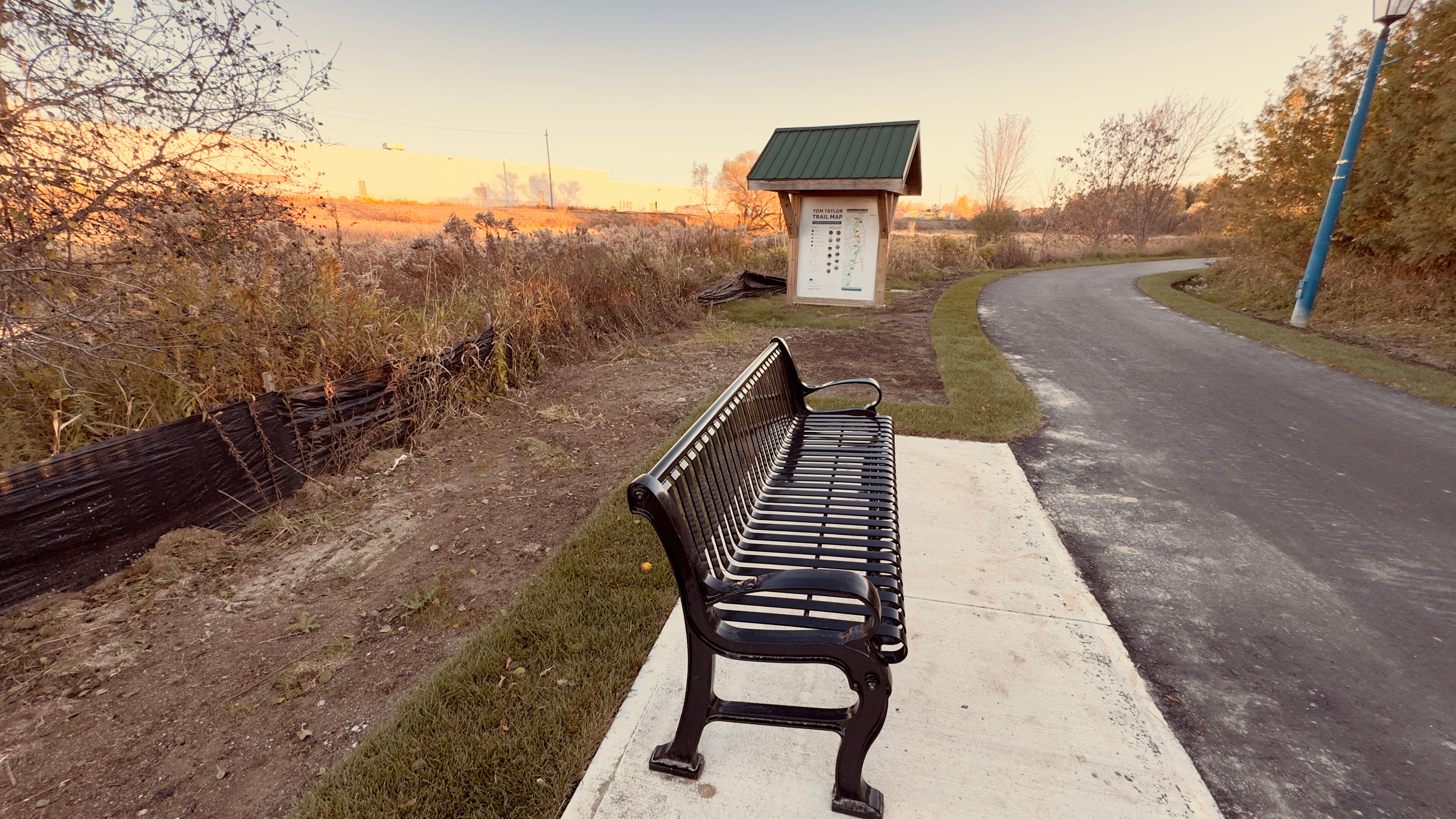
Tomorrow — that is, today — it will be handed over to the chief negotiators, live and with no hidden agenda. I see that urgent look on Luisa’s face, with a faint shimmer of hope underneath. And this already over the first coffee in Newmarket. It’s still dark outside, and I wonder what my signature could possibly achieve in Turkey. Not much, I’d guess. But the call contains a subordinate clause that wipes the last sleep from my eyes. It’s about a court. The International Court of Justice.
He Who Writes, Stays
Port Vila, Vanuatu, 2019. In a lecture hall at the University of the South Pacific sit 27 law students from various island states. These committed young people have a problem bigger than their curriculum: their homeland is falling victim to climate change and going under. Not as a metaphor. As a change of address.
What to do?
Demonstrate? Collect signatures? Yes, that too. But instead the young people write a letter. To the foreign minister. It says, roughly: Could we not ask the world’s highest court what states actually owe the climate?
Oh yes, one could. It only took six years, 132 co-signing states, and a resolution of the UN General Assembly.
Unanimous Doesn’t Make a Choir
On July 23, 2025, The Hague answered. Unanimously — a word one hears about as often in international law as a friendly “good morning” in a traffic jam. The judges spared no effort and held: a clean, healthy environment is a human right. The 1.5-degree target is not a recommendation but an obligation. Whoever violates this obligation acts contrary to international law. Full stop. The damper comes right in the next paragraph. And the rich countries, mostly those in the northern half of the globe, are the frontrunners in energy consumption. And they are the ones now supposed to lead the way.
That lands. An advisory opinion that sounds like a verdict — with a damper. Yes, with a damper. Because an advisory opinion is not a verdict. It binds no one. It only states what applies.
Just that?
Sign Here
Meanwhile in Antalya, nearly 200 states are wrestling over 18 pages of paper. With delicate content. In it, the phase-out of oil, gas, and coal is listed — provisionally. Observers expect the sentence won’t survive the week. Oh really?
A climate conference decides by consensus, and consensus means: the slowest one sets the pace. A year ago in Belém, the advisory opinion barely got near a decision text. The law was sitting in the room. But nobody called on it.
So now the petition is making up for what the room failed to do. If the lever is missing in the negotiating hall, pressure from outside is needed. I understand that. And yet I think of the 27 students from 2019. They didn’t have to convince a negotiator. They just changed rooms and tables.
Greetings from Bern
Before we Swiss lean back contentedly, let me recall a similar paper Made in Switzerland. Our document is even a verdict. In April 2024, the judges in Strasbourg ruled in favour of the Swiss KlimaSeniorinnen — a group of older women against the Confederation, and the women won. Binding.
And what did Bern say to that? The federal government announced it had already implemented the ruling. This autumn, the Federal Council further informed the Council of Europe that an independent climate council was not needed.
Friendly in tone, of course. The Swiss aren’t rude, after all.
A non-binding opinion that stirs the world this very morning. A binding verdict playing Sleeping Beauty in Bern. World turned upside down.
Saying Yes Is Cheap
And how did my new home react? Canada said yes in May, when the General Assembly reaffirmed the opinion — 141 to 8, with 28 abstentions. Canada was also one of the sponsors of the opinion. The United States voted against, in the company of Russia and Saudi Arabia. Canada stood on the right side. And keeps drilling anyway. Before the court, Ottawa had argued that the Paris Agreement left room for that. Oh, how sweet that melody must sound to the ears of the fossil — no, the fossil fuel executives.
I am a happy holder of both a Canadian and a Swiss passport. Twice over, I witness the same art: politely agree, and comfortably carry on.
The Answer Is In
Being right and getting your rights are still two different things, as the saying goes in English and in Swiss German. The students from Port Vila got their rights — in black and white, on paper. Unanimity from The Hague. Whether they truly have this right is not decided in the Peace Palace. The decision lies in Antalya, in Bern, and in Ottawa.
I like the sentence in the ICJ’s advisory opinion: “The legal bindingness of climate protection. States are obligated — not only through the Paris Agreement, but also through general customary international law and human rights — to prevent significant harm to the climate system.”
I am attached to this planet. Not abstractly — concretely, for those who come after me. One signature, mine, can make a difference.
An oily future fills me with dread.