Not because my parents had been branded as capitalists. I was shocked and a little confused because I didn’t know the word “capitalist.”
Mind you, I had heard the word before — I just couldn’t picture what it meant. Naturally, I went straight home and told my parents about the terrible rhetorical assault I had suffered at school. My mother’s explanation was simple: “We own a house and people think we’re rich.” People who own capital. Wealth.
Aha.
And what exactly is wrong with that — why does “Your parents are capitalists” sound like an accusation? The experience of not knowing, of being caught in some vague indictment, never quite let me go. There was something threatening about being assigned to a group that seemed to stand for something bad.
There was only one remedy, and it happened to be one of my favourite pastimes: reading books. Oh là là — the library did the rest. I went looking for “capitalist” and found an entire world. From asking “what is a capitalist?” there emerged the most varied economic models, competing political ideologies, and different versions of how a prospering society might look. Purely by capitalist accident, I had opened Pandora’s box. Though that image doesn’t quite fit. I wasn’t only reading about evil and misery, or about hope locked in a jar — I was discovering a whole spread of possibilities. A confusing and inspiring experience, once the range becomes too wide to take in at a glance. But back to capita. Or better yet, per capita. To what each head in a population might have, and what their way of life might look like. The range of ways to shape a nation and its possibilities is staggering. Many heads began to smoke as they tried to feel out workable models for the state. From dictatorship to democracy, from monarchy to welfare state, from Woodstock to Silicon Valley — and none of them fully thought through.
During my apprenticeship as a commercial clerk — not as a merchant or entrepreneur as such — the methods of business life became clear to me in rather a bitter way. In the eyes of a sixteen-year-old who secretly considered himself a hippie, the whole business of business was suspicious from the start. Apprentices in the workshop, hands greasy with oil, were paid less than those in the clean, air-conditioned offices. Why? One day I asked the director of the crane factory responsible for my training. The man looked at me with some amusement and said: “You’re right, Christian. From now on you’ll receive the same wage as the apprentices in the workshop.”
The director wasn’t just having a laugh. He was crafty. And there I stood: fifty francs less a month, mouth open.
Per Capita List.
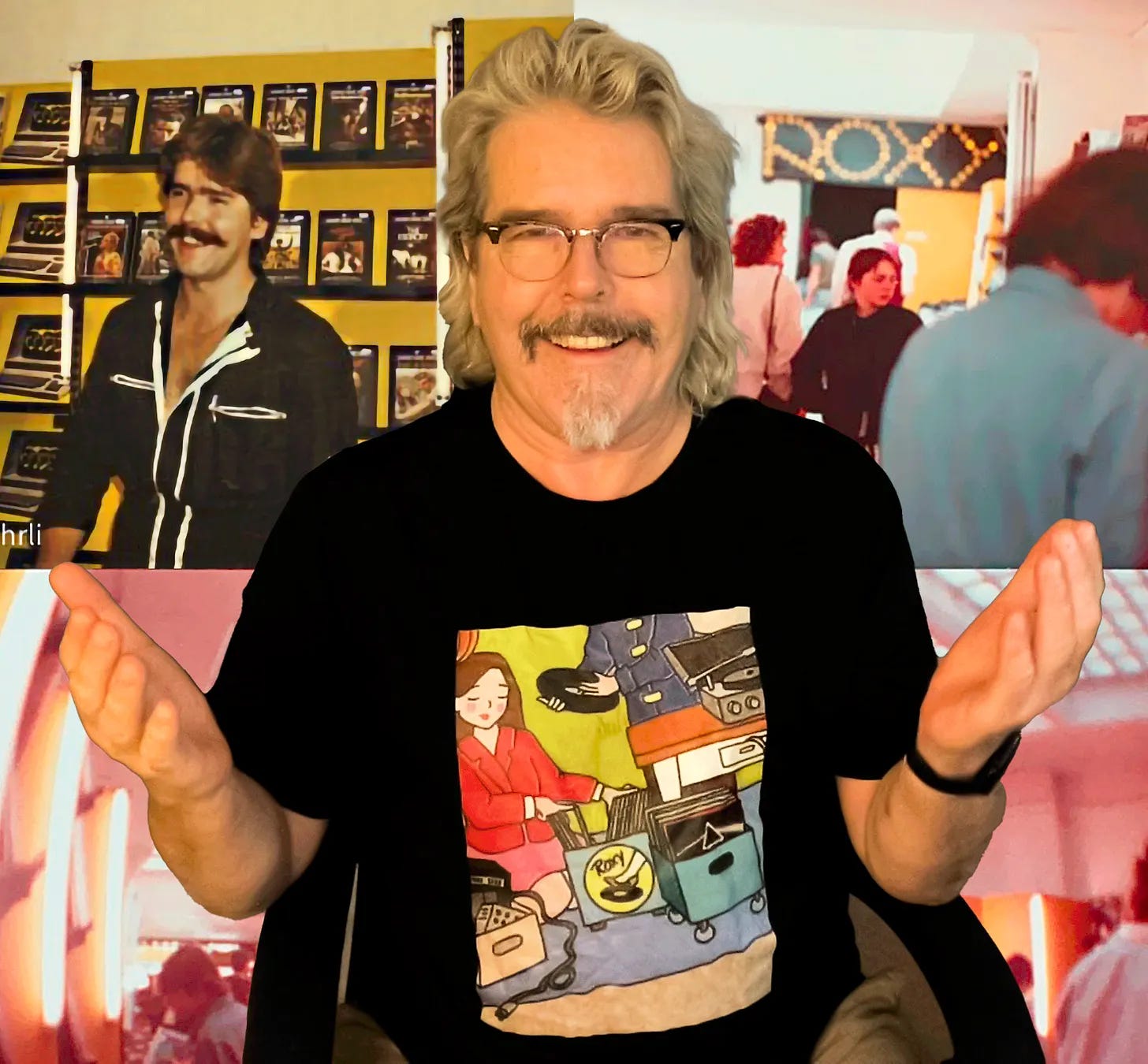
Since I’m already at it, I’ll keep sharing from the business toybox. After my apprenticeship, I wanted to open a vinyl record shop. I floated the idea to my parents. My mother was appalled: “Now you want to become one of those shady businessmen and fleece people, Christian?”
“Umm… no, Mama.”
That brief conversation has quietly shaped my entire career as an entrepreneur. Businessman, yes. Scheming? No. That worked out better some times than others. But the thought of a fairer world — for people, animals, and the world we share — never quite let me go either.
“Always Woodstock, damn it.”
And now, in what one might call the Spanish-feeling age of a senior, the urge to improve things grows more insistent. Not the great wide world, but the small, manageable world of my friends, my neighbours, my family — how does one improve that without turning into a know-it-all?
Lively conversations about ideas, visions, experiences, and life itself are a good start. Or about people, capital, and the craftiness of life.
Per Capita List.