The cheering broke out immediately for reasons I can’t quite fathom, though some of it I do understand. Canada is still largely dependent on the US market to get rid of our oil, since other markets are technically out of reach. The LNG pipeline and terminals on the West Coast are the feeder line to markets in Asia and Europe.
Prime Minister Carney says this will make Canada a trustworthy supplier, an alternative to Russian gas. And then the usual arguments: jobs and keeping them, tax revenue, and so on.
As I said, I follow the logic of it well enough.
What I don’t follow: the last orcas off the coast, who won’t be counted in the next tanker traffic survey. Because they won’t exist anymore.
Some things I can’t wrap my head around, because the logic has a few blackouts.
Why do the climate targets we need to hit slip into second place? According to most scientists, the tipping of the climate is the greatest threat humanity faces.
Yes, this endless doom scenario of the overheating planet — many people don’t want to hear it anymore.
Understandable.
But at some point, and soon, many millions of people will feel the change, lastingly and life-threateningly. And that frightens me. Because that’s when these pesky chains show up, dangling reactions.
When water runs short, when harvests dry up and the water rises, people get moving. Nobody sits idle and watches their own living space vanish. Whoever wants to live, moves on.
Instinct knows no border checkpoint — and that is exactly what will occupy us in ten years, not whether some pipeline still pencils out.
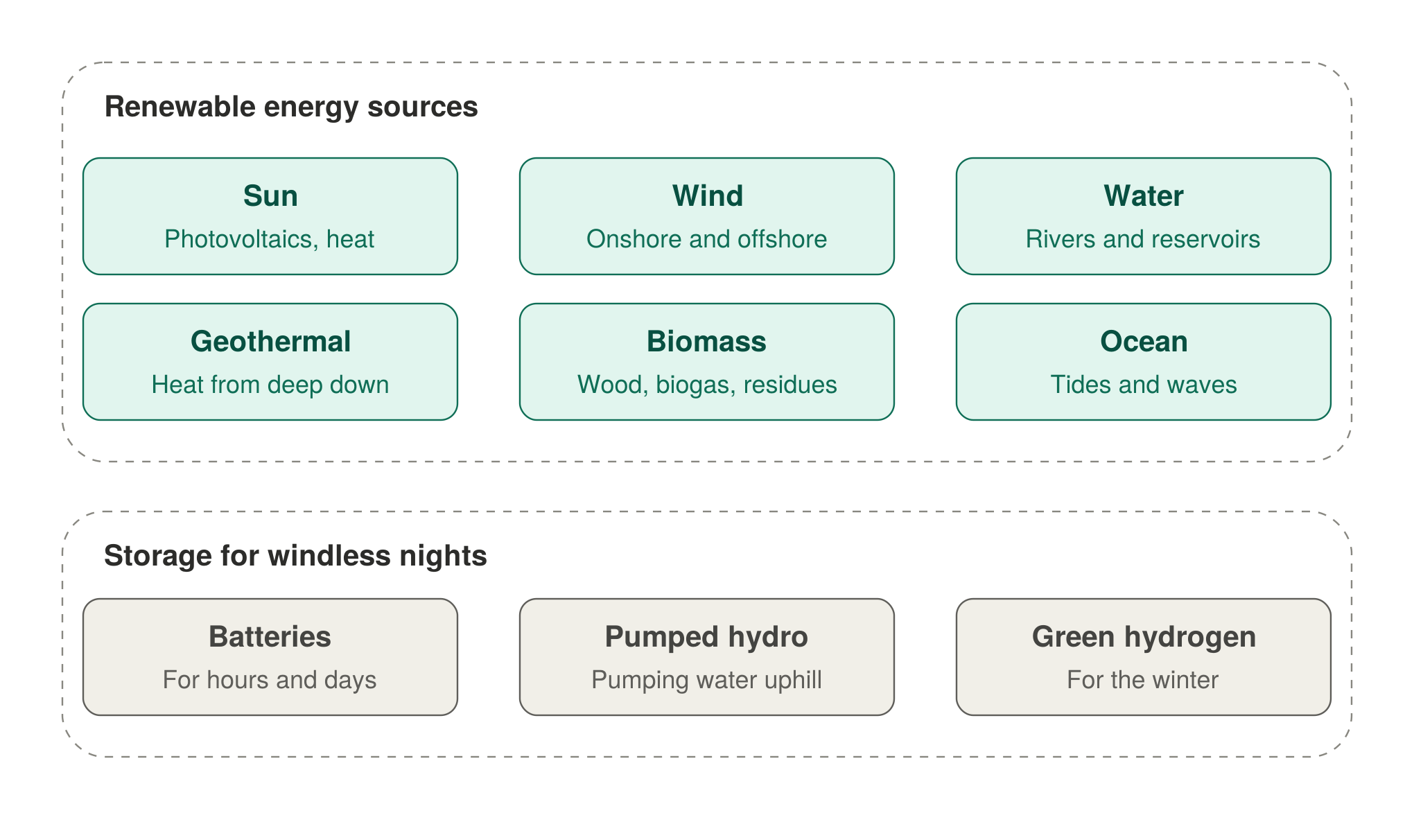
I also don’t understand why the cheapest, most available energy — from water, sun, and wind — isn’t being built out faster.
Oh right, the lobby does not like that idea.
Somewhere along the way I read a business report for the planet itself.
No, it was more of a cost-benefit calculation, as I recall.
The usual cost items were listed, the ones the blue planet has to pay. Factors like damage from drought, floods, and fires.
On the investment side stood the investments in renewable energy, which can draw on a huge portfolio of offerings.
The calculation was laid out fairly simply. Whoever invests intelligently in existing natural and renewable energy sources prevents future damage. And generates thousands of jobs and opportunities.
Ergo, the profit lies in the damage avoided, and in the gain of independence over one’s energy source.
Yes, that’s a heavily simplified picture.
But maybe the options available, and the ones ahead of us, really are simple.
We should just go ahead and do it. Simple and fast.